Five brands dominate the bowling shoe market. Choosing between them is more about matching your priorities to a brand’s design philosophy than about ranking quality. Dexter built the interchangeable sole standard. Brunswick brings heritage and value pricing. Hammer leans athletic. KR Strikeforce pushes tournament-grade precision. Linds owns comfort and wide-fit. Each brand is the right answer for a specific bowler — and the wrong answer for everyone else.
This guide breaks down what each brand is actually known for, the representative model that defines them, and which kind of bowler should pick them. If you want individual product picks, see our best performance bowling shoes 2026 or best beginner bowling shoes 2026 guides instead.
First published: May 2026 · Edited by Jeroen Kooij · See methodology below
Linds
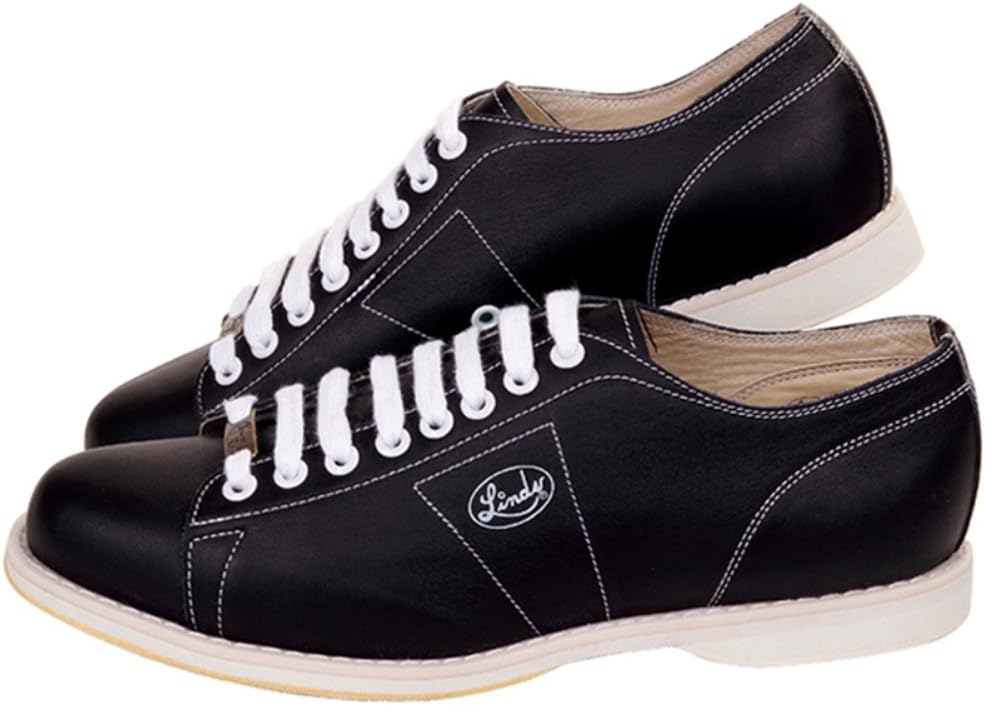
Heritage leather build. Comfort-first construction. The brand to pick when standard fits hurt.
View Linds Classic →Dexter
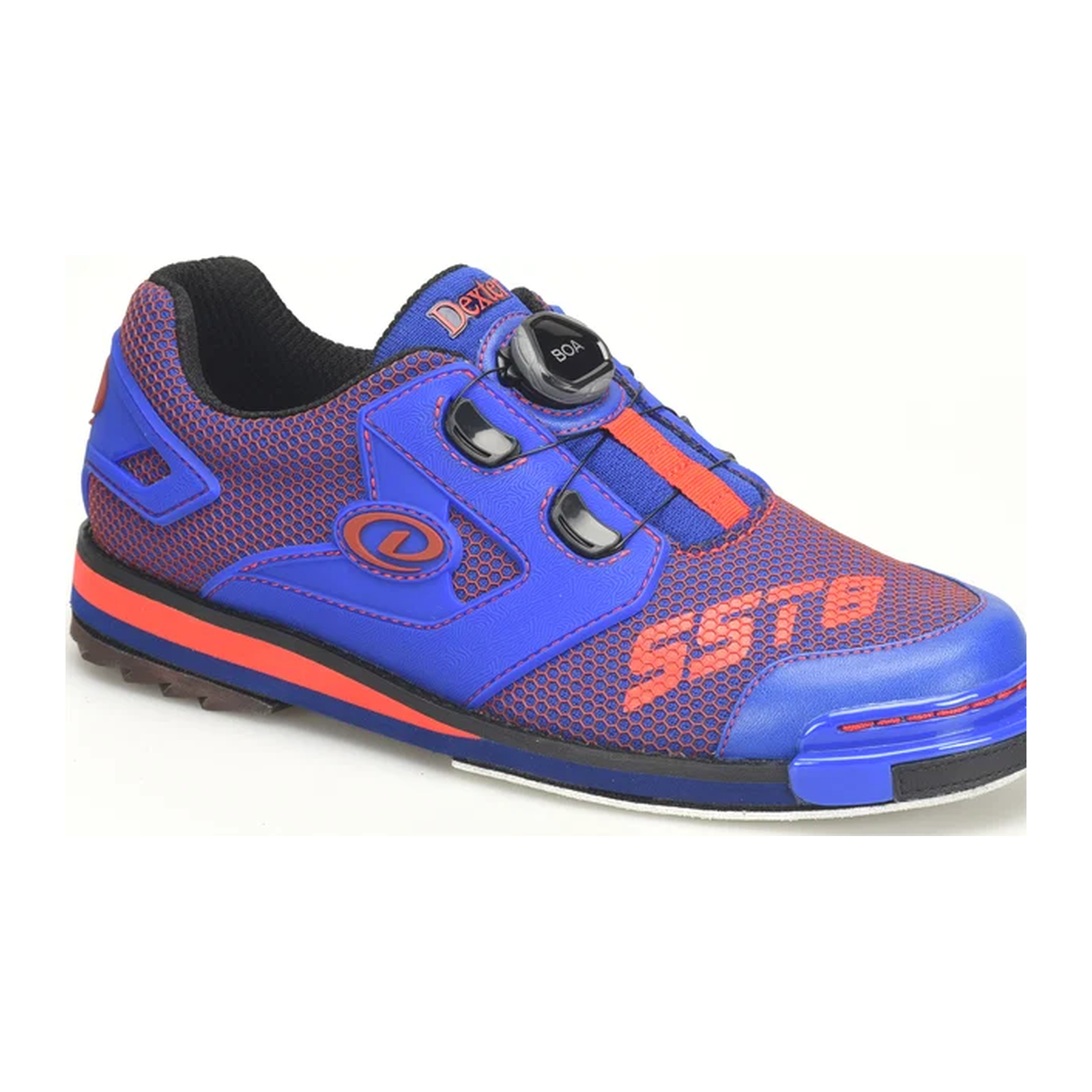
The S8/H8 interchangeable system is the bowling shoe standard. Most-purchased brand for a reason.
View SST 8 Pro →KR Strikeforce
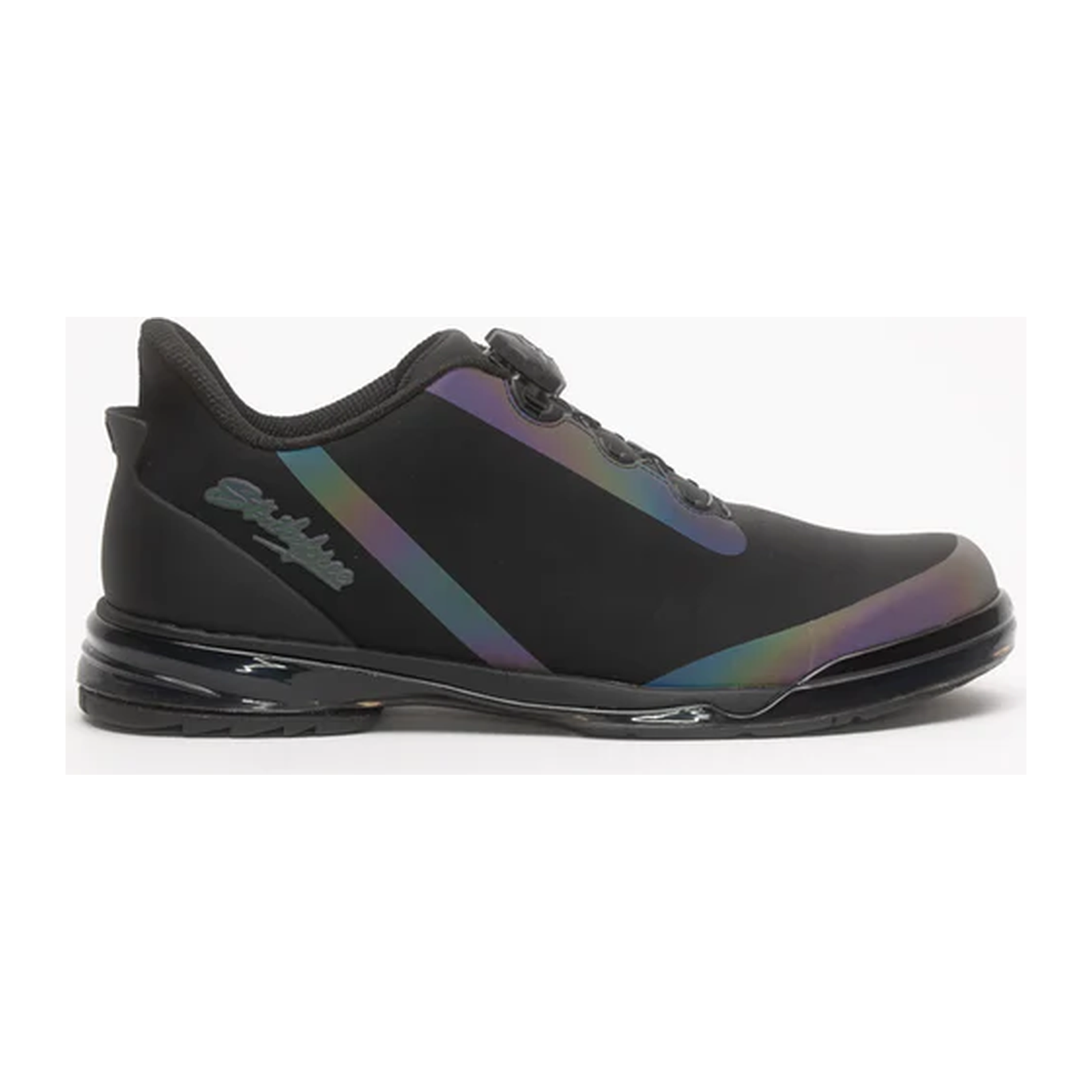
Tournament fit precision. Step up after Dexter when consistency under pressure matters.
View TPC Hype →Update history
- May 2026: First published. Five-brand comparison built from manufacturer documentation, pro shop fitting feedback, and verified league/tournament bowler community sentiment.
Brand comparison at a glance
| Brand | Known for | Best for | Price tier |
|---|---|---|---|
| Dexter | S8/H8 interchangeable sole standard | Most league bowlers building first arsenal | $140–$180 |
| Brunswick | Heritage value at mid-tier prices | First interchangeable shoe under $120 | $90–$140 |
| Hammer | Athletic styling, lighter weight | Bowlers from sports backgrounds | $110–$160 |
| KR Strikeforce | Tournament fit precision | Tournament competitors | $160–$220 |
| Linds | Wide-fit + cushioned comfort | Wide feet, longer sessions | $80–$120 |
How we evaluated
Brand comparisons in bowling are noisier than in most gear categories. Every manufacturer claims industry-leading slide consistency, premium materials, and tournament-grade construction. Cutting through that requires looking at what bowlers actually report after years of league use, not what marketing copy promises.
Brand market presence
Which brands pro shops actually stock as primary inventory. Pro shop carry-rate is the single best signal of long-term reliability and bowler trust.
Replacement parts ecosystem
A bowling shoe is only as good as its slide pad replacement availability. Brands with regional or niche distribution lose points here regardless of build quality.
Bowler community sentiment
Verified threads on BowlingForums.com and r/Bowling, weighted toward bowlers who’ve owned multiple pairs from the same brand over multi-year periods.
Lineup breadth
Whether the brand offers options across beginner, league, and tournament tiers — and whether width options exist for non-medium feet.
For each brand we picked one representative model that defines what the brand stands for, then explain who that model is right for and where the brand falls short.
We do not test every shoe ourselves on every approach. We curate the testing of bowlers and pro shop staff who do — fitting specialists, coaches, and tournament-level league players whose lane time exceeds anything a small editorial team could replicate.
Paid placements, sponsored brand rankings, or manufacturer-supplied review samples that come with editorial expectations. Affiliate commissions on the buy-links below do not influence which brand earns which slot.
Dexter — the bowling shoe benchmark
| Founded | 1957 (USA) |
| Flagship line | SST 8 (Pro / LE / Power Frame BOA) |
| Sole system | S8/H8 pin-system interchangeable |
| Lineup tiers | Pro Am II → SST 6 → SST 8 → THE 9 (premium) |
| Representative model | Dexter SST 8 Pro ($140–$180) |
Dexter introduced the interchangeable sole system in the 1990s and the S8/H8 standard has dominated bowling shoe design ever since. When pro shops talk about “the standard” they mean Dexter — not because Dexter is always the best for every bowler, but because every other brand has had to define itself relative to what Dexter built. The replacement parts ecosystem reflects this: any decent pro shop in North America stocks Dexter slide and brake pads on the shelf, and most also carry Dexter shoes in standard sizes.
Where Dexter wins: the SST 8 line is the most-recommended performance shoe in pro shops, and the Pro Am II is the most-recommended beginner shoe. Both for the same reason — predictable behavior. Dexter doesn’t push design experiments on the bowling community. The 2026 SST 8 is recognizably the same architecture as the 2010 SST 8, refined incrementally. Bowlers who want their gear to be a stable variable while they work on mechanics gravitate toward Dexter.
Where Dexter falls short: styling is conservative. Bowlers from athletic sports backgrounds frequently describe Dexter shoes as looking “old” or “bowling-specific” in a way that feels dated against modern Hammer or KR designs. Wide-width options exist but are limited compared to Linds. Pricing sits in the upper-middle of the market — Brunswick offers comparable build quality at lower price points for casual bowlers.
Pick Dexter if: you want the most-proven sole system, you bowl weekly league, and you prioritise stability over styling.
View Dexter SST 8 Pro on Amazon →Brunswick — heritage at mid-tier prices
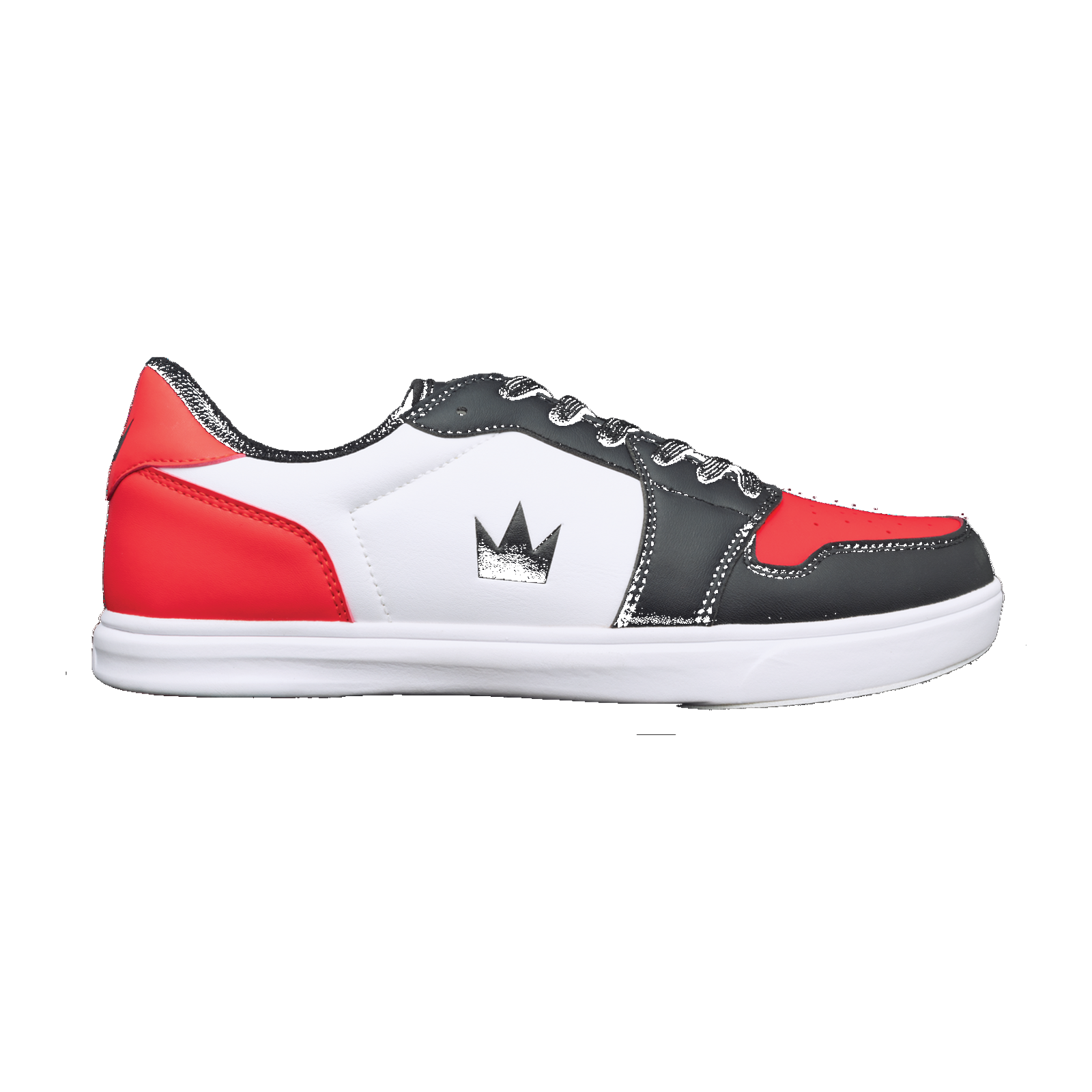
| Founded | 1845 (USA — original bowling brand) |
| Flagship line | Fanatic, Tactic, Frenzy |
| Sole system | Pin-system interchangeable (proprietary) |
| Lineup tiers | House → Single Slide → Fanatic → Tactic Pro |
| Representative model | Brunswick Fanatic ($90–$120) |
Brunswick has been making bowling equipment since 1845 — older than the modern game itself. The brand’s bowling-shoe philosophy is “heritage value”: deliver real interchangeable performance at price points where Dexter would only offer beginner shoes. The Fanatic at sub-$120 is the clearest example. It’s not a flagship — it’s a deliberate mid-tier product engineered to sell to bowlers who’ve outgrown universal slide but aren’t ready to spend Dexter SST 8 money.
Where Brunswick wins: price-to-performance ratio. The Fanatic delivers a real S8-compatible interchangeable system at roughly 60% of the SST 8 Pro’s price. For weekly league bowlers in their second or third season, that’s the right step up. Brunswick also has the best brand recognition outside hardcore bowling circles — gift-buyers often default to Brunswick because it’s the name they’ve heard.
Where Brunswick falls short: tournament-tier presence is limited. Brunswick doesn’t compete at the top end with Dexter SST 8 Power Frame BOA or KR TPC Hype — the brand consciously positions itself in the mid-market. Slide pad lifespan on Fanatic models runs 100–140 games versus 150–200 for Dexter, reflecting the lower price point.
Pick Brunswick if: it’s your first interchangeable shoe, you bowl once-a-week league, and the SST 8 Pro is more shoe than your volume justifies.
View Brunswick Fanatic on Amazon →Hammer — athletic styling, lighter build
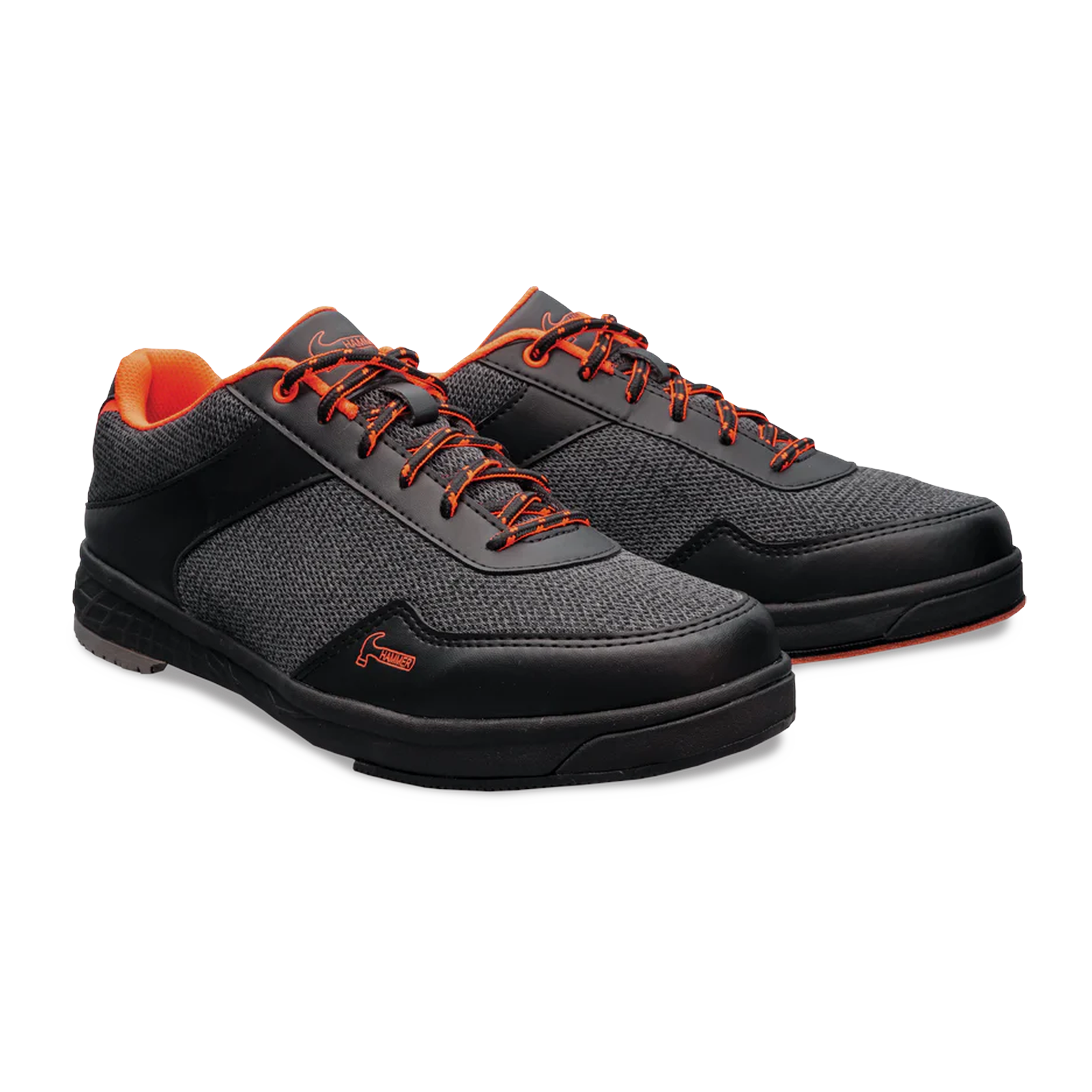
| Founded | 1967 (USA — bowling ball heritage) |
| Flagship line | Razor, Force, Effect |
| Sole system | Pin-system interchangeable |
| Lineup tiers | Force → Effect → Razor → Vibe |
| Representative model | Hammer Razor ($110–$150) |
Hammer is primarily a bowling ball brand — the Black Widow line is one of the most recognized names in heavy oil performance. The shoe lineup is newer than Dexter or Brunswick, and Hammer leans into a different design philosophy: athletic styling, mesh uppers, lighter weight per pair. The Razor is the clearest example. To a bowler coming from running or basketball, a Hammer shoe feels familiar in a way Dexter or KR shoes don’t.
Where Hammer wins: styling resonance with athletic backgrounds, lighter weight reducing first-session weirdness, and breathability for longer sessions. The Razor specifically gets praised for not feeling like “costume” — bowlers who’ve quit league previously because everything about the sport felt foreign sometimes come back when Hammer puts a familiar-looking shoe in their bag.
Where Hammer falls short: mesh uppers are more vulnerable than leather to environmental damage. Bowlers in damp centres or those who store shoes wet see faster degradation than Dexter or Brunswick equivalents. Tournament presence is mid-tier — Hammer is well-respected at league level but doesn’t compete with KR Strikeforce at the top of competitive play.
Pick Hammer if: you came to bowling from another sport, you prioritise comfort across long sessions, and you bowl in clean centres where mesh longevity isn’t a concern.
View Hammer Razor on Amazon →KR Strikeforce — precision built for competition
| Founded | 1985 (USA) |
| Flagship line | TPC, Maverick, Kross |
| Sole system | TPC pin-system interchangeable |
| Lineup tiers | Flyer → Maverick → TPC → TPC Tour |
| Representative model | KR TPC Hype ($160–$210) |
KR Strikeforce earned tournament-tier credibility by building shoes for bowlers who can’t afford fit inconsistency under pressure. The TPC line is the brand’s flagship, and the Hype variant brings modern styling without sacrificing the precision construction. What separates KR from Dexter at the top end isn’t slide quality (Dexter SST 8 Pro is comparable) but fit consistency across long sessions — a bowler in the third game of a tournament sweep doesn’t want any equipment surprises.
Where KR wins: the TPC line is the most-recommended step-up after bowlers outgrow the Dexter SST 8 Pro. Tournament-active bowlers consistently report that KR fit precision pays off at competitive levels in ways that don’t matter for casual league play. The Maverick line also makes KR the only brand offering a credible athletic-styled shoe at tournament-tier build quality.
Where KR falls short: overspec for casual bowlers. Buying a TPC Hype for once-a-week league play is paying for capability that won’t be used. KR also has narrower distribution than Dexter — replacement parts are harder to source outside major bowling regions.
Pick KR Strikeforce if: you compete in tournaments, you’ve already worn out a pair of Dexters, and you need fit consistency over long sessions.
View KR TPC Hype on Amazon →Linds — comfort-first heritage leather
| Founded | 1944 (USA — Wisconsin) |
| Flagship line | Classic, Quad, GS-2000, Plus |
| Sole system | Universal slide + interchangeable variants |
| Width options | Standard / Wide / Wide-Wide (EEEE) |
| Representative model | Linds Classic ($80–$120) |
Linds has carved out the comfort-and-wide-fit segment of the bowling shoe market. The brand’s positioning is precise: where Dexter optimizes for slide consistency and KR for tournament precision, Linds optimizes for what your foot actually feels like by the third game. Cushioned interiors, softer footbeds, full-leather uppers, and crucially — true wide and EEEE width options that simply don’t exist in most other brands’ lineups.
Where Linds wins: wide-foot bowlers consistently report Linds as the only brand that fits without compromise. Bunions, high arches, asymmetric foot structure — Linds accommodates all of these where Dexter or Brunswick force “go up half a size” workarounds that ruin slide consistency. The Linds Classic specifically delivers heritage full-leather construction at a price point Dexter or KR can’t match for equivalent build, making it a category-defining option for bowlers who prioritise comfort over tournament-tier specs.
Where Linds falls short: tournament-tier presence is limited. Linds is recognized as the comfort brand, not the competitive brand — top-level competitors typically use Dexter or KR even when they have Linds in their bag for warm-ups. Athletic styling is also not a Linds strength; the lineup leans traditional and conservative.
Pick Linds if: you have wide feet, bunions, or arch issues, you bowl long sessions, and you prioritise comfort over tournament-tier precision.
View Linds Classic on Amazon →Quick decision guide
Match brand to bowler in 30 seconds.
Frequently asked questions
Edited by Jeroen Kooij
Editor · ExpertBowler
Editor of ExpertBowler. Responsible for editorial standards, methodology compliance, and the curation process behind every brand and product analysis on the site. Read more about our editorial process.
Methodology: Brand evaluation built from manufacturer documentation, pro shop fitting consultations across multiple regions, and verified league/tournament bowler community sentiment. We do not accept paid placements.
First published: May 2026.
Sources consulted
- Manufacturer documentation: Dexter Bowling, Brunswick Bowling, Hammer Bowling, KR Strikeforce, Linds — official spec sheets and lineup positioning
- Pro shop fitting feedback: consultations across multiple regions on brand carry rates and replacement parts availability
- Community feedback: verified threads on BowlingForums.com and Reddit r/Bowling, weighted toward multi-year brand loyalty data
- Published reviews: BowlersMart, BowlerX channel comparison reviews
- Tournament data: brand presence at PBA, USBC Open, and regional tournament series
Related guides
- Best performance bowling shoes 2026 — individual product picks across brands
- Best bowling shoes for beginners 2026 — first-purchase guide
- Best bowling shoes for wide feet — Linds and wide-fit alternatives
- Best athletic bowling shoes — Hammer and KR Maverick deep dive
- Slide vs brake soles explained — sole-system breakdown
- All bowling shoe guides (hub)